Restoring Women's Sexual Health
Restoring Womens Sexual Health (ReWosh) is a five-year research study funded by the National Institutes of Health (NIH). This study is a collaboration between Muhimbili University of Health and Allied Sciences and the University of Minnesota focused on Training Healthcare Professionals to address the healthcare needs of women who have experienced Female Genital Mutilation in Tanzania, focusing on curriculum build, implementation, as well as evaluation.
Learn More about ReWosh
About the Project
Empowering healthcare providers to address FGM/C patients in Tanzania
Female genital mutilation/cutting (FGM/C) continues to affect millions of girls and women globally, with significant health consequences. In Tanzania, many healthcare students report feeling unprepared to care for patients affected by FGM/C. This five-year research project, based at Muhimbili University of Health and Allied Sciences (MUHAS), aims to bridge that gap.
Our goals are to:
- Assess the healthcare needs of women affected by FGM/C through a social-ecological lens.
- Develop culturally sensitive training tailored to the Tanzanian context.
- Evaluate the effectiveness of this training among healthcare students.
- Using a mixed-methods approach, we engage clinicians, students, community leaders, and women with lived experience to co-create impactful, sustainable solutions. This initiative is a step toward ensuring compassionate, competent care for all women in Tanzania.
Team Members

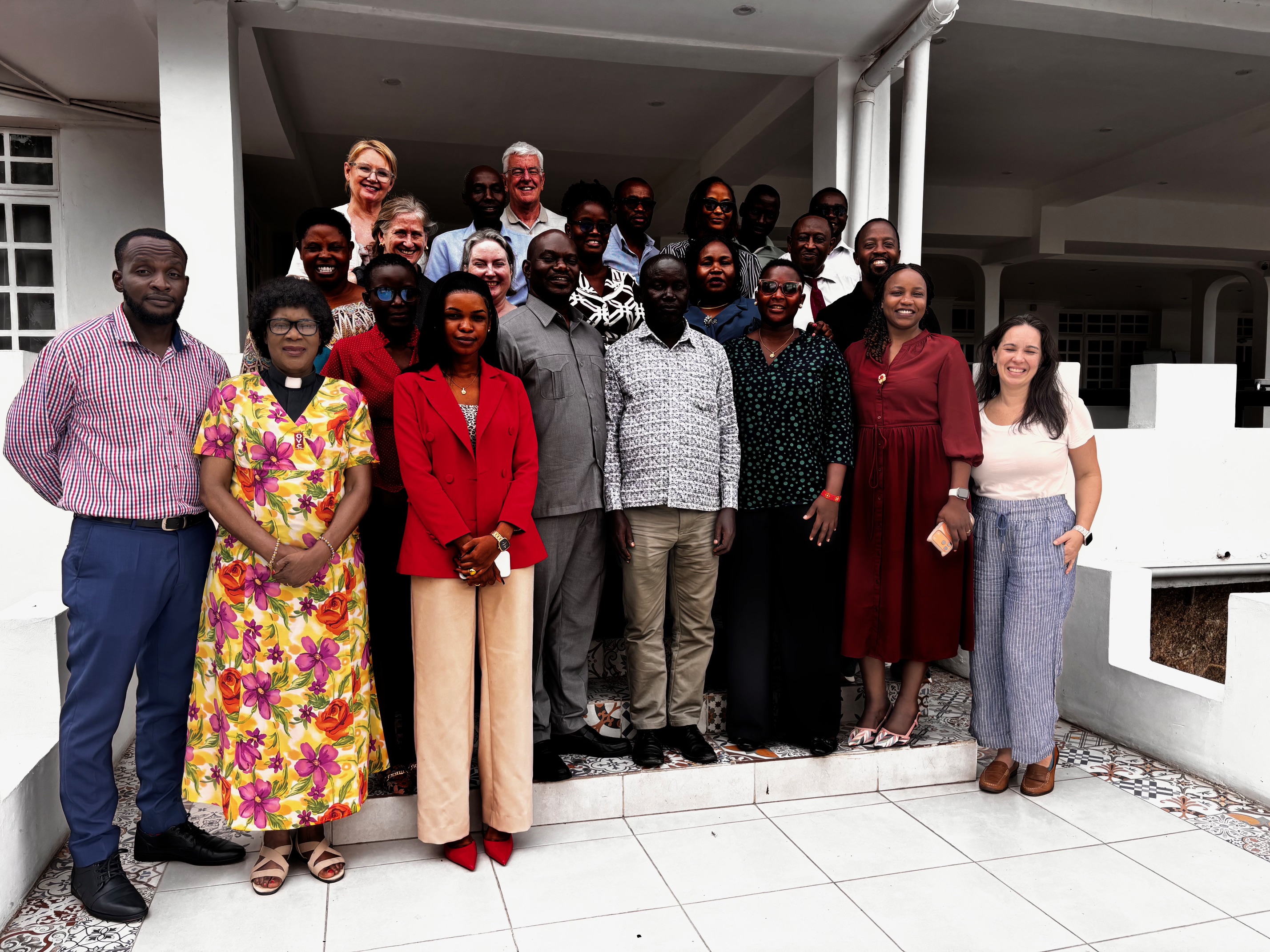
Our team consists of University-based faculty and staff from the University of Minnesota, Muhimbili University of Health and Allied Sciences, Comprehensive Community Based Rehabilitation in Tanzania (CCBRT), University of Massachusetts, Georgetown University, Johns Hopkins and Geneva University.
University of Minnesota
Jennifer Connor
Jennifer Connor, PhD, LMFT, is a licensed marriage and family therapist and an associate professor at the Eli Coleman Institute for Sexual and Gender Health (ISGH). Her research interests include women's sexual and reproductive health, such as vulvodynia and female genital mutilation/cutting
B. R. Simon Rosser
B. R. Simon Rosser, PhD, MPH, LP is a psychologist, epidemiologist and behavioral medicine researcher. He is the director of the Sexual Health Research at the University of Minnesota (SHRUM) Program. For 23 years, he has been an NIH-funded researcher and interventionist advancing sexual health through innovative interventions.
Mike Ross
Mike Ross, PhD, MD, DSc, MPH, MHPEd, MSt, is a professor at the Eli Coleman Institute for Sexual and Gender Health (ISGH) and was the Joycelyn Elders Chair in Sexual Health Education from 2014-2020. Ross has studied sexuality and sexual and mental health for more than 30 years in several countries: India, South Africa, Sweden, Tanzania, Uganda, and Vietnam.
Kristen Mark
Kristen Mark, PhD, MPH, CSE, is a behavioral health scientist and biostatistician with a focus on sexual health across the life course. She holds the Joycelyn Elders Endowed Chair for Sexual Health Education and is a Professor in Family Medicine and Community Health at the Eli Coleman Institute for Sexual and Gender Health (ISGH).
Gunna Kilian
Gunna Kilian is a Program Director in the School of Public Health, with over two decades of experience in NIH-funded research. She provides leadership for three NIH-funded R01 studies conducted in collaboration between UMN and MUHAS. In this role, she oversees programmatic operations, manages budgets, hires staff, and tracks timelines to ensure resources are used effectively. She plays a key role in fostering collaboration across teams and ensures that all research activities are carried out on schedule and in full compliance with NIH guidelines.
Nithya Venkat
Nithya Venkat is a MPH candidate at the UMN School of Public Health. She previously was a legislative aide for Hennepin Healthcare and Violence Free Minnesota, as well as working in community engagement for Hennepin County. Her previous research experience involves being a research assistant for the RELab, housed in the UMN School of Nursing.
Alice Msoka
Alice Msoka is currently pursuing a Master of Development practice at the Humphrey School of Public Affairs, UMN. She worked on outreach initiatives to assess and address challenges faced by rural communities in Tanzania, including access to resources and sustainable development strategies. She also contributed to research projects focused on health and community well-being.
Anita Kateregga
Anita is a doctoral student in Family Social Science at the University of Minnesota, specializing in Couple and Family Therapy. Her research focuses on systemic therapy interventions in Africa, sexual health, and marital satisfaction among Ugandan couples. She leads and collaborates on projects related to therapy practices in African contexts, mixed-agenda couples, and qualitative studies with Ugandan practitioners.
Muhimbili University of Health and Allied Sciences
Agnes Massae
Agnes Massae, PhD, is a registered advanced midwife practitioner and a lecturer at the Department of Midwifery, Child and Reproductive Health at the School of Nursing, MUHAS. Her main research focuses on cultural and community perspectives related to perinatal mental health and reproductive and sexual health, aiming to help healthcare students and professionals develop culturally appropriate care.
Lucy Mgopa
Dr. Lucy Mgopa, MD, is an honorary senior lecturer in the Department of Psychiatry and Mental Health at MUHAS. Her main research focuses on violence and sexual health in Tanzania. Her strong interests are in developing a career as a researcher in mental and sexual health.
Stella Mushy
Dr. Stella Mushy, PhD, is a senior lecturer in the Department of Midwifery, Child, and Reproductive Health at the School of Nursing, MUHAS. Her research focuses on maternal and child health in Tanzania. Her interests are in the use of contraceptives among adolescent girls, adolescent sexual and reproductive health, and sexual and reproductive health for people with disabilities
Gift Lukumay
Mr. Gift Lukumay is a licensed nurse specialist at MUHAS, where he has been a lecturer since 2015, teaching community health nursing and emergency and trauma nursing. He has played a significant role in developing sexual health curricula funded by NIH and has led efforts in using standardized patients for sexual health education.
Ali Said
Dr. Ali Said is an obstetrician and gynecologist clinician and a lecturer at MUHAS whose studies focus on maternal health and maternal death surveillance and response systems. Throughout his career, he has worked with other stakeholders in and out of the government to reduce the burden of maternal morbidity and mortality in Tanzania.
Dickson Mkoka
Dickson Mkoka, PhD, is a senior lecturer in the Nursing School at MUHAS, whose research focuses on Maternal and child health and the Health System in Tanzania, culturally sensitive counseling from African health professionals, and nursing training across Africa.
Dorkas Mwakawanga
Dr. Dorkasi Mwakawanga , PhD, is a registered advanced midwife practitioner and a faculty member at the School of Nursing in MUHAS. She has experience in developing the sexual health curriculum and improving sexual health wellness and access for the general population, people with disabilities, and women and girls who have experienced FGM.
Neema Mawi
Ms. Neema E. Mawi, MSc, is a registered advanced nurse practitioner and faculty member in the Department of Nursing Education and Management at MUHAS. She has experience teaching and supervising nursing research to undergraduate Nursing and Midwifery students. Her research interests focus on maternal and child health, with particular emphasis on breastfeeding practices, women’s health, and HIV/AIDS.
Hamza Lilenga
Hamza Lilenga is an assistant lecturer in the Department of Midwifery, Child and Reproductive Health at MUHAS. He has experience supervising research projects for undergraduate students as well as contributing to qualitative and quantitative data collection, data analysis, and report writing. His research interests include perinatal health care, quality of care, and gender-based violence.
UMASS Chan Medical School
Crista Johnson Agbakwu
Dr. Crista Johnson-Agbakwu, MD, an obstetrician/gynecologist, is the inaugural executive director of the Collaborative in Health Equity at the University of Massachusetts T.H. Chan Medical School and UMass Memorial Health. She is also a professor of obstetrics & gynecology in the Division of Preventive. She’s been advancing sexual and reproductive health care to improve clinical and surgical care, as well as community-engaged research and education on Female Genital Mutilation/Cutting for nearly 3 decades in both U.S. domestic and global contexts.
Geneva University
Jasmine Abdulcadir
Prof. Abdulcadir is an obstetrician and gynecologist. She is responsible for the outpatient clinic for women and girls living with FGM/C of the Geneva University Hospitals, which provides health education, prevention, counseling and culturally sensitive surgical and psychosexual care. She has published widely on sexual health and the clinical care of women with FGM/C and has given a TedXTalk on FGM/C.
John Hopkins
Nicole Warren
Dr. Nicole Warren is a certified nurse midwife with more than two decades of combined research, clinical practice, and award-winning teaching experience in reproductive health. She is an associate professor at John Hopkins University. Her work is guided by a commitment to Respectful Maternity Care and eliminating mistreatment of childbearing persons.
Comprehensive Community-Based Rehabilitation in Tanzania (CCBRT)
Issa Rashid
Dr. Issa Rashid, MD, MMED, is an obstetrician and gynecologist clinician at Comprehensive Community Based Rehabilitation in Tanzania (CCBRT) hospital. He is the head of the Obstetrics and Gynecology department, pioneering better service provision to adolescents and pregnant women with disabilities at CCBRT Maternity Wing.
Georgetown School of Nursing
Christina Maraea
Prof. Christina X. Marea, PhD, FACNM is a certified nurse midwife, educator, and researcher. She is an assistant professor in the midwifery/women’s health nursing practitioner program at Georgetown. Her research interests are at the intersection of reproductive justice, health disparities, and health system opportunities to transform care and outcomes for structurally marginalized and excluded people.
Community Advisory Board
Dr. Polycarp Africanus
Dr. Polycarp is a researcher and lecturer at the Institute of Social Work (ISW) in Dar es Salaam, Tanzania. He is involved in researching practical solutions for labor, social, and educational issues within the Tanzanian context. He authored a study on the persistence of female genital cutting (FGC) in Kurya society, focusing on gender relations and cultural context.
Dr. Timothy Mushi
Dr. Timothy is a healthcare professional and clinical educator at CCBRT (Comprehensive Community Based Rehabilitation in Tanzania), where he has been a key member of the Maternal and Newborn Healthcare Capacity Building team since 2013. He has trained health workers across multiple facilities to improve maternal and neonatal outcomes. His work includes leading programs on vacuum-assisted deliveries, strengthening clinical skills, and reducing preventable complications such as obstetric fistula.
Devine Itemba
Devine Itemba is an assistant communications manager at Tanzania Women's Lawyers Association (TAWLA) for 7 years. In his role he supports the development and implementation of strategic communication initiatives that promote women's rights, legal awareness, and access to justice across Tanzania. He has experience in content creation, stakeholder engagement, and advocacy campaigns, helping to amplify TAWLA's impact and visibility at both national and community levels. His work reflects a strong commitment to gender equality and social justice.
Rev. Martina M Kabisama
Reverend Martina M. Kabisama is a prominent human rights advocate in the country. She has served in multiple leadership roles, including director of women's development and gender at the Christian Council of Tanzania, where she advanced programs supporting women’s rights and social welfare. As a nationally recognized activist, she also serves as the national coordinator for the Southern Africa Human Rights NGO Network (SAHRiNGON) Tanzania Chapter, leading efforts to strengthen civic space, protect human rights defenders, and promote social justice across the country.
Jesca Masanja
Jesca Masanja is a known health official in Tanzania's Ministry of Health. She is recognized as the adolescent sexual and reproductive health coordinator, and she has spoken about government plans to train youth on crucial health matters, emphasizing adolescent education for better reproductive health outcomes in the country. Her work focuses on programs for young people, supporting Tanzania's broader health goals.
Dr. Francis Selasini
Dr. Francis Selasini is a leading advocate against female genital mutilation and serves as an executive coordinator at NAFGEM (Network Against Female Genital Mutilation), where he leads community-based activism to prevent the practice and protect vulnerable girls. Recognized internationally for his prevention-focused work, he has been featured as a speaker in global forums, including FIGO’s 2025 International Day of Zero Tolerance for FGM event, highlighting survivor-led strategies to eliminate FGM. He has spoken publicly on the shifting trends of FGM in Tanzania, warning that despite progress and strengthened laws, Ngaribas (cutters) increasingly target much younger girls, even infants, to evade enforcement. His work emphasizes confronting deep-rooted cultural norms, empowering communities through awareness, and advocating for legal accountability to protect girls from harmful traditional practices.
Rhoby Samwel
Rhobi Samwelly is a Tanzanian activist and survivor of Female Genital Mutilation (FGM) who founded Hope for Girls and Women Tanzania in 2017 to protect girls from FGM and child marriage after experiencing the practice herself and witnessing the death of her best friend Sabina from excessive bleeding at age 11. She grew up in the Mara region, where FGM remains persistent. Rhobi now operates safe houses in Mugumu and Butiama, supporting up to 500 girls per year with shelter, counseling, education, and community reintegration while leading local outreach to shift cultural norms. Her work has earned international recognition, including speaking at the UN and the UK Houses of Parliament. In 2018, Canadian filmmaker Giselle Portenier released an award-winning documentary highlighting Rhobi’s work, the bravery of the girls risking their lives to defend their human rights, and Rhobi’s remarkable efforts to inspire communities to abandon FGM
Rabia Muna
Rabia Muna is a youth representative in Dar es Salaam. She graduated from Mzumbe University with a Bachelor of Laws (LLB) and completed her bar exams at the Law School of Tanzania. She has gained practical experience through internships at a District Court and with the NAFGEM organization, as well as through her current volunteer work as a legal officer at Aggies Attorneys. Rabia is passionate about community development, particularly in addressing issues such as female genital mutilation and early marriage in her community. Her long-term goal is to contribute to social change by strengthening community-based initiatives and empowering vulnerable groups through legal awareness and education.
Related Research Papers and Publications
Team publications
Mwakawanga, D.L., Massae, A.F., Kohli, N. et al. The need for and acceptability of a curriculum to train nursing and medical students in the sexual healthcare of clients with female genital mutilation/cutting in Tanzania. BMC Women's Health 24, 198 (2024).
Related literature and recommended readings
Connor, J. J., Abdikeir, K., Chaisson, N., Brady, S. S., Chen, M., Abdi, C., Salad, M., Johnson-Agbakwu, C. E., Hussein, I., Afey, F., Pergament, S. & Robinson, B. E., Feb 2025, In: Qualitative Health Research. 35, 2, p. 234-247 14 p
Creger, J., Abdikeir, K., Kaczmarczik, K., Chaisson, N., Johnson-Agbakwu, C. E., Robinson, B. “. E. & Connor, J. J., Aug 2024, In: Journal of Immigrant and Minority Health. 26, 4, p. 667-673 7 p.
Beautiful vulvas: expanding illustrative visual imagery of female genital cutting types
Chaisson, N., Johnson-Agbakwu, C. E., Finch, A., Salad, M., Connor, J. J., Chen, M. & Robinson, B. B. E., Nov 1 2023, In: Journal of Sexual Medicine. 20, 11, p. 1301-1311 11 p.
Johnson-Agbakwu, C. E., Chen, M., Salad, M., Chaisson, N., Connor, J. J. & Robinson, B. B. E., Nov 1 2023, In: Journal of Sexual Medicine. 20, 11, p. 1292-1300 9 p.
Our Body Our Health (Jirkeena, Caafimaadkeena): Somali Women’s Narratives on Sexual Health
Connor, J. J., Abdi, C., Chen, M., Salad, M., Pergament, S. L., Afey, F., Hussein, I. & Robinson, B. E., 2023, (Accepted/In press) In: Journal of Sex Research.
Brady, S. S., Connor, J. J., Chaisson, N., Sharif Mohamed, F. & Robinson, B. “. E., Jul 29 2019, In: Archives of sexual behavior. 50, 5, p. 1913-1927 15 p
Connor, J. J., Brady, S. S., Chaisson, N., Mohamed, F. S. & Robinson, B. “. E., Apr 22 2019, In: Archives of sexual behavior. 50, 5, p. 1859-1869 11 p.
Connor, J. J., Hunt, S., Finsaas, M., Ciesinski, A., Ahmed, A. & Robinson, B. Q. E., Mar 23 2016, In: Journal of Sex Research. 53, 3, p. 346-359 14 p.
Newsletter


